Measure tap flow with a container and timer
Turn a timed collection into a useful delivery-rate comparison.
Freshwater Setup ·
Set up a repeatable collection
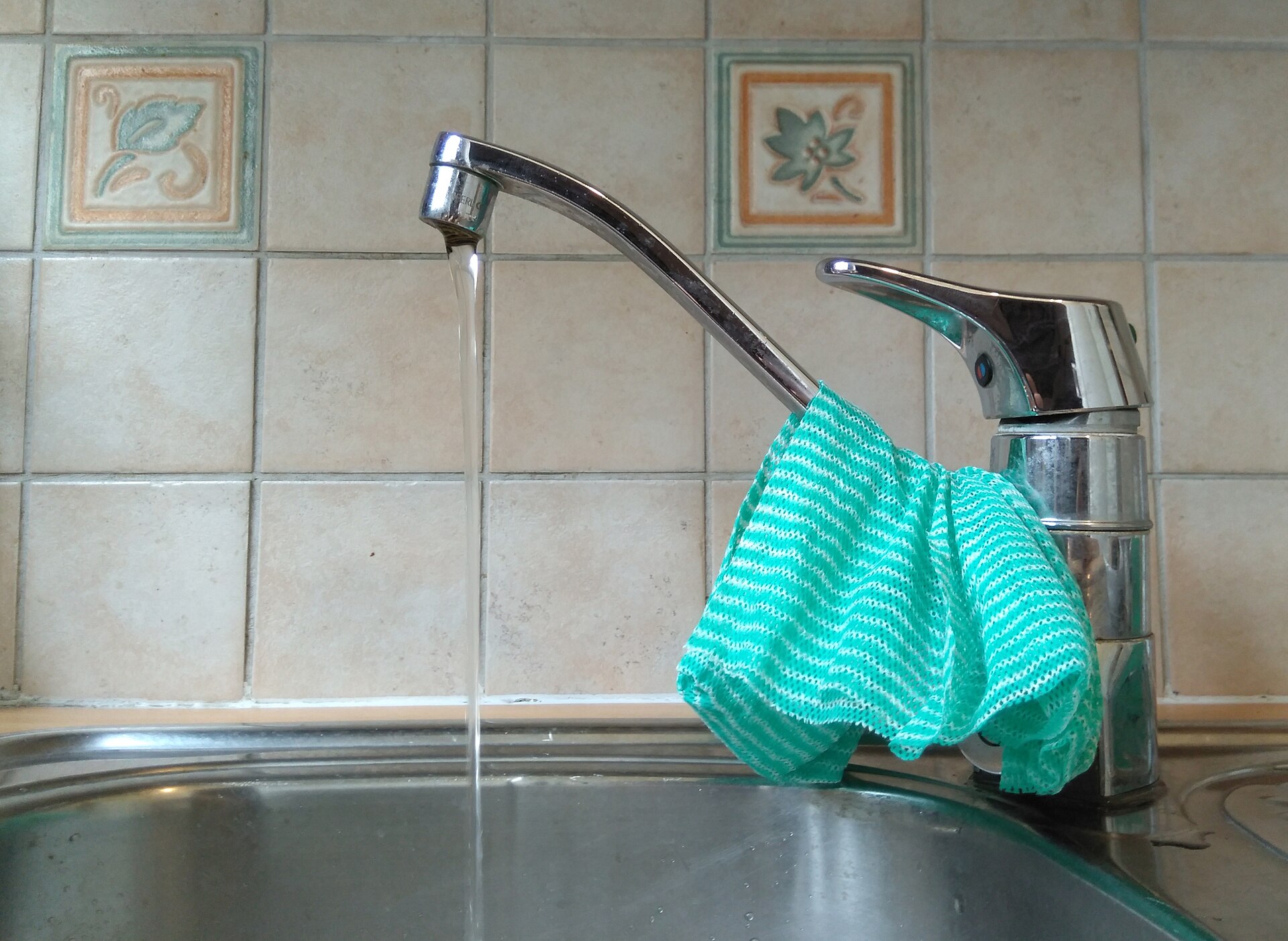
Choose a clean container with a known litre or millilitre mark, and a timer you can read easily. Set the tap as you normally use it. Once delivery is steady, collect to your chosen mark and record the elapsed seconds. Avoid splashing out of the container or timing the initial opening of the tap.
Enter collected volume and seconds into the household-flow tab. A 1 L collection in 10 seconds is 6 L/min. The same 1 L collected in 15 seconds is 4 L/min. The planner also displays US gallons per minute; imperial gallons are a different unit and are not used here.
Repeat before comparing
Repeat the collection at least a few times using the same container, tap setting and timing method. Keep the individual readings instead of presenting a single noisy collection as a precise fixture specification. A short collection magnifies the effect of your reaction time. A larger safe collection can be easier to time.
If you compare before and after a manufacturer-approved service step, keep the conditions alike. Other outlets running, a pressure change or a different tap setting can affect the result. This is a measurement of water delivered under the recorded conditions, not a diagnosis of the plumbing.
Use fill time for a real task
The target-volume field estimates how long the measured delivery rate would take to fill a known container. At 6 L/min, a 10 L fill takes about 100 seconds. At 4 L/min it takes 150 seconds. You still need to watch the container; the page does not operate a valve or stop a tap.
For a filtered outlet, compare the exact system data sheet at its stated test conditions. A kitchen-tap measurement through a bypass setting is not the flow through the treatment cartridge. Never use water drawn through aquarium or pool hoses as a drinking-water sample.
Flow and water quality answer different questions
A fast stream does not demonstrate removal of a contaminant, and slow flow does not identify which cartridge is needed. Start a treatment decision with the water source and a specific concern, then check the exact system and cartridge certification.
Keep a date, the outlet name, collected volume, seconds and any changed setting in your maintenance note. The equipment calendar stores the interval you select; it does not meter the water you actually use.
Sources and further reading
Manufacturer examples are references, not hands-on tests. Check the current exact-model instructions.